
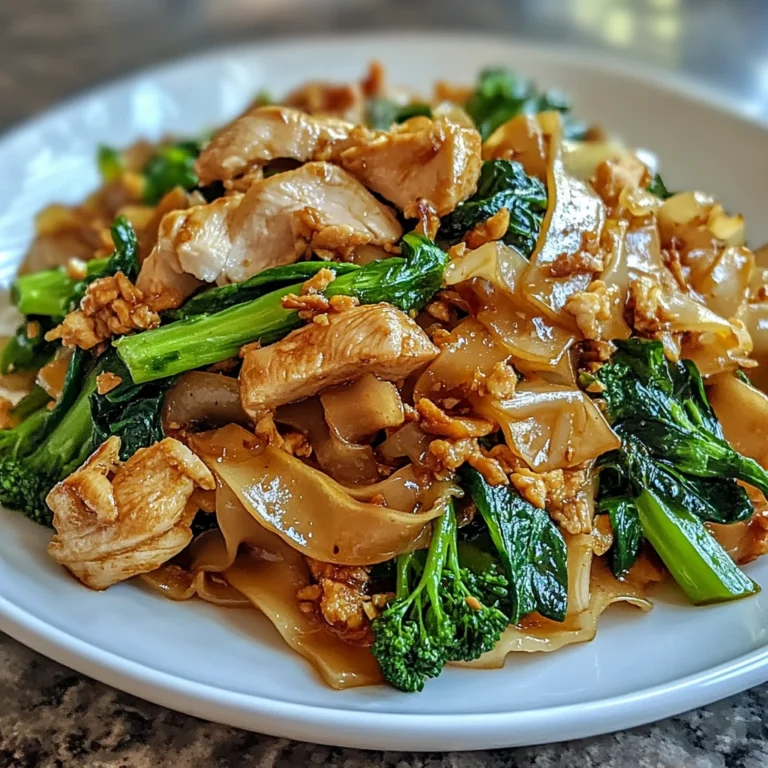
Pad See Ew, a beloved Thai noodle dish, is a symphony of flavors that has captivated the hearts and taste buds of food enthusiasts worldwide. This stir-fried delight, with its unique blend of savory, sweet, and slightly smoky notes, has become a staple in Thai cuisine, offering a comforting and satisfying culinary experience. In this comprehensive guide, we’ll explore the origins, ingredients, and preparation methods of Pad See Ew, empowering you to recreate this authentic dish in your own kitchen.
Table of Contents
Unraveling the Essence of Pad See Ew
Pad See Ew, which translates to “stir-fried soy sauce noodles,” is a quintessential dish that originated in the bustling streets of Thailand. The dish’s roots can be traced back to the Chinese influence on Thai cuisine, as it shares similarities with Cantonese-style stir-fried noodles. However, Pad See Ew has evolved over time to incorporate distinct Thai flavors, making it a unique and beloved culinary creation.
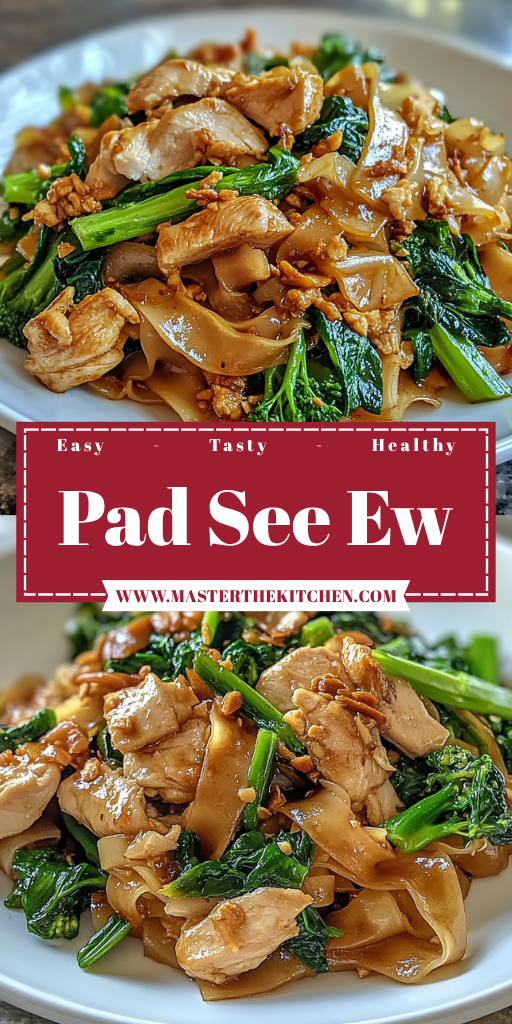
At the heart of Pad See Ew are the wide, flat rice noodles that soak up the rich, savory sauce, creating a harmonious balance of textures and tastes. The addition of protein, such as chicken, beef, pork, shrimp, or tofu, along with tender-crisp Chinese broccoli, transforms this dish into a complete and satisfying meal. With its captivating aroma and vibrant colors, Pad See Ew is not only a delight to the palate but also a feast for the senses.
Essential Ingredients for Authentic Pad See Ew
To ensure your Pad See Ew is as authentic as possible, it’s essential to gather the right ingredients. Here’s a breakdown of the essential components that make this dish so irresistible:
- Protein: 8 oz of thinly sliced chicken, beef, pork, shrimp, or tofu.
- Soy Sauce: 2 teaspoons of soy sauce for marinating the protein, and a combination of light, dark, and oyster sauces for the sauce.
- Sugar: 1/4 teaspoon of sugar for the protein marinade and 4 teaspoons of granulated sugar for the sauce.
- Vegetable Oil: 3 to 4 tablespoons of vegetable oil for stir-frying.
- Garlic: 4 cloves of chopped garlic to infuse the dish with aroma and flavor.
- Eggs: 2 large eggs, scrambled for added texture and richness.
- Chinese Broccoli: 4 to 6 stalks of Chinese broccoli, with the stems sliced and the leaves chopped.
- Rice Noodles: 1 lb of fresh wide rice noodles, the backbone of the dish.
- Fish Sauce: 1 teaspoon of fish sauce for the sauce mixture.
- White Pepper: Ground white pepper to taste, for a subtle heat and warmth.
Mastering the Art of Pad See Ew
Preparing Pad See Ew requires a few essential steps to achieve the perfect balance of flavors and textures. Let’s dive into the step-by-step process:
1. Marinate the Protein
In a bowl, toss the sliced protein (chicken, beef, pork, shrimp, or tofu) with 2 teaspoons of soy sauce and 1/4 teaspoon of sugar. Allow the mixture to sit while you prepare the other ingredients, allowing the flavors to meld.
2. Mix the Sauce
In a small bowl, combine the oyster sauce, light soy sauce, dark soy sauce, fish sauce, and 1 tablespoon of water. Stir to ensure all the ingredients are well incorporated. This flavorful sauce will be the backbone of your Pad See Ew.
3. Cook the Protein
Heat 1 tablespoon of oil in a wok or large skillet over high heat. Add the marinated protein and cook until it’s browned and nearly cooked through. Remove the protein from the wok and set it aside.
4. Cook the Garlic and Eggs
Add another tablespoon of oil to the wok, and then stir in the chopped garlic. Cook the garlic briefly until fragrant. Next, add the eggs and scramble them lightly, creating a delightful eggy texture in the dish.
5. Add the Vegetables and Noodles
Toss the Chinese broccoli into the wok and stir-fry for 10 to 15 seconds, just enough to lightly cook the vegetables. Then, add the fresh rice noodles, the prepared sauce, and the 4 teaspoons of granulated sugar. Gently toss everything together, ensuring the noodles are evenly coated without breaking them.
6. Finish the Dish
Return the cooked protein to the wok and continue stir-frying over high heat until the noodles are evenly colored and slightly caramelized. This final step helps to infuse the dish with a delightful charred flavor.
7. Serve and Enjoy
Sprinkle the Pad See Ew with ground white pepper to taste, and serve the dish hot, allowing your guests to savor the perfect balance of sweet, savory, and umami flavors.
Cooking Techniques and Tips for Pad See Ew
Mastering the art of Pad See Ew requires a few essential cooking techniques and tips. Firstly, it’s crucial to use high heat when stir-frying, as this helps to achieve the desired charred, caramelized edges on the noodles. Additionally, be mindful of the cooking time for the vegetables, ensuring they maintain a tender-crisp texture rather than becoming overcooked and soggy.
Another key tip is to work quickly when adding the noodles and sauce, as you want the noodles to absorb the flavors without becoming overly saturated. Gently tossing the noodles rather than stirring vigorously can help prevent them from breaking apart.
For those who prefer a specific protein, Pad See Ew is highly adaptable. Feel free to experiment with different meats, seafood, or even tofu to suit your dietary preferences. Just be sure to adjust the cooking time accordingly to ensure the protein is cooked through.
Exploring the Flavors of Pad See Ew
Pad See Ew is a symphony of flavors, with the savory soy sauce, the sweetness of sugar, the umami of fish sauce, and the subtle heat of white pepper all coming together in perfect harmony. The wide rice noodles provide a delightful chewy texture that complements the tender protein and crisp Chinese broccoli.
To enhance the dining experience, consider serving Pad See Ew with a side of Thai chili sauce or sriracha, allowing your guests to adjust the spice level to their liking. A refreshing Thai iced tea or a light, crisp lager can also be excellent pairings, providing a refreshing contrast to the bold flavors of the dish.
Nutritional Benefits of Pad See Ew
Pad See Ew, when prepared with a focus on balance and moderation, can be a surprisingly nutritious dish. The protein sources, such as chicken, beef, shrimp, or tofu, provide a valuable source of lean protein, while the Chinese broccoli adds a wealth of vitamins, minerals, and fiber.
To make the dish even healthier, you can consider reducing the amount of oil used or substituting it with a lighter option, such as low-sodium soy sauce or tamari. Additionally, experimenting with alternative noodle options, such as whole-grain rice noodles or zucchini noodles, can further enhance the nutritional profile of the dish.
Frequently Asked Questions About Pad See Ew
How can I adjust the spice level in my Pad See Ew?
Adjusting the spice level in Pad See Ew can be done in a few ways. If you prefer a milder dish, you can simply omit any spicy ingredients, such as chili flakes or fresh chilies, from your recipe. For a bit of heat, consider adding sliced Thai bird’s eye chilies or a splash of sriracha or chili sauce to your sauce mixture. Alternatively, you can serve the dish with a side of chili paste or chili oil, allowing each person to add spice to their liking. Start with small amounts and taste as you go to achieve your desired level of heat.
What type of noodles work best for Pad See Ew, and can I use alternatives?
The best noodles for Pad See Ew are wide rice noodles, which are typically used in the dish for their chewy texture and ability to absorb flavors. If you can’t find wide rice noodles, you can use other alternatives like flat egg noodles or even wide udon noodles. However, keep in mind that the texture and flavor may vary slightly. For a gluten-free option, ensure the noodles are labeled gluten-free, or you can try using zucchini noodles or rice vermicelli, although these will change the dish’s traditional profile.
Can I prepare Pad See Ew in advance, and how should I reheat it?
Yes, you can prepare Pad See Ew in advance! Cook the dish as usual, allow it to cool, and then store it in an airtight container in the refrigerator for up to 3 days. When reheating, use a non-stick pan or wok over medium heat, adding a splash of water or broth to help steam the noodles back to life and prevent them from sticking. Stir frequently until heated through. Avoid using a microwave for reheating, as it can make the noodles rubbery and dry.
What are some common mistakes to avoid when making Pad See Ew?
Some common mistakes to avoid include not using high enough heat, which can lead to soggy noodles instead of the desired charred texture. Additionally, overcooking the vegetables can result in a loss of color and crunchiness; they should maintain some bite. Make sure to use fresh, not dried, wide rice noodles, as dried noodles will not achieve the same chewy consistency. Lastly, be cautious with the sauce proportions; too much sauce can make the dish overly salty or soggy, so it’s best to start with less and adjust to taste.
More Related Recipes You Might Enjoy
- Drunken Noodles (Pad Kee Mao)
- Thai Basil Chicken (Pad Krapow Gai)
- Fried Rice with Chinese Broccoli
- Spicy Thai Noodle Salad
Conclusion
Pad See Ew is a captivating Thai noodle dish that has the power to transport your taste buds to the bustling streets of Thailand. With its vibrant flavors, satisfying textures, and the ability to be customized to your liking, this dish is a must-try for any lover of authentic Asian cuisine. Dive into the world of Pad See Ew, and let the delightful combination of savory, sweet, and umami notes ignite your culinary senses. Bon appétit!
Looking for more visual inspiration? Follow me on Pinterest, where I share new recipes, dinner tips, and behind-the-scenes kitchen moments every week. Buon appetito!
Print
Whip Up a Delicious Pad See Ew in Just 4 Simple Ingredients!
- Total Time: 30 minutes
- Yield: 2 servings 1x
Description
Pad See Ew is a captivating Thai noodle dish that has the power to transport your taste buds to the bustling streets of Thailand. With its vibrant flavors, satisfying textures, and the ability to be customized to your liking, this dish is a must-try for any lover of authentic Asian cuisine. Dive into the world of Pad See Ew, and let the delightful combination of savory, sweet, and umami notes ignite your culinary senses. Bon appétit!
Ingredients
- 8 ounce thinly sliced chicken
- 2 teaspoon soy sauce for marinating
- 1/4 teaspoon sugar for marinating
- 4 teaspoon granulated sugar for sauce
- 3 tablespoon vegetable oil for stir-frying
- 4 cloves chopped garlic
- 2 large eggs
- 6 stalks Chinese broccoli, stems sliced and leaves chopped
- 1 pound fresh wide rice noodles
- 1 teaspoon fish sauce
- Ground white pepper to taste
Instructions
1. 1. Marinate the protein: In a bowl, toss the sliced protein with 2 teaspoon of soy sauce and 1/4 teaspoon of sugar. Allow the mixture to sit while you prepare the other ingredients.
2. 2. Mix the sauce: In a small bowl, combine the oyster sauce, light soy sauce, dark soy sauce, fish sauce, and 1 tablespoon of water. Stir to ensure all the ingredients are well incorporated.
3. 3. Cook the protein: Heat 1 tablespoon of oil in a wok or large skillet over high heat. Add the marinated protein and cook until it’s browned and nearly cooked through. Remove the protein from the wok and set it aside.
4. 4. Cook the garlic and eggs: Add another tablespoon of oil to the wok, and then stir in the chopped garlic. Cook the garlic briefly until fragrant. Next, add the eggs and scramble them lightly.
5. 5. Add the vegetables and noodles: Toss the Chinese broccoli into the wok and stir-fry for 10 to 15 seconds. Then, add the fresh rice noodles, the prepared sauce, and 4 teaspoon of granulated sugar. Gently toss everything together.
6. 6. Finish the dish: Return the cooked protein to the wok and continue stir-frying until the noodles are evenly colored and slightly caramelized.
7. 7. Serve and enjoy: Sprinkle with ground white pepper to taste, and serve hot.
Notes
For a healthier option, consider reducing the amount of oil or using low-sodium soy sauce. You can also experiment with alternative noodle options like whole-grain rice noodles or zucchini noodles.
- Prep Time: 15 minutes
- Cook Time: 15 minutes
- Category: Main Course
- Method: Stir-fry
- Cuisine: Thai
Nutrition
- Serving Size: 1 plate
- Calories: 600
- Sugar: 6 grams
- Sodium: 800 milligrams
- Fat: 20 grams
- Saturated Fat: 3 grams
- Unsaturated Fat: 15 grams
- Trans Fat: 0 grams
- Carbohydrates: 80 grams
- Fiber: 3 grams
- Protein: 30 grams
- Cholesterol: 200 milligrams