
Introduction to Hibachi Cooking
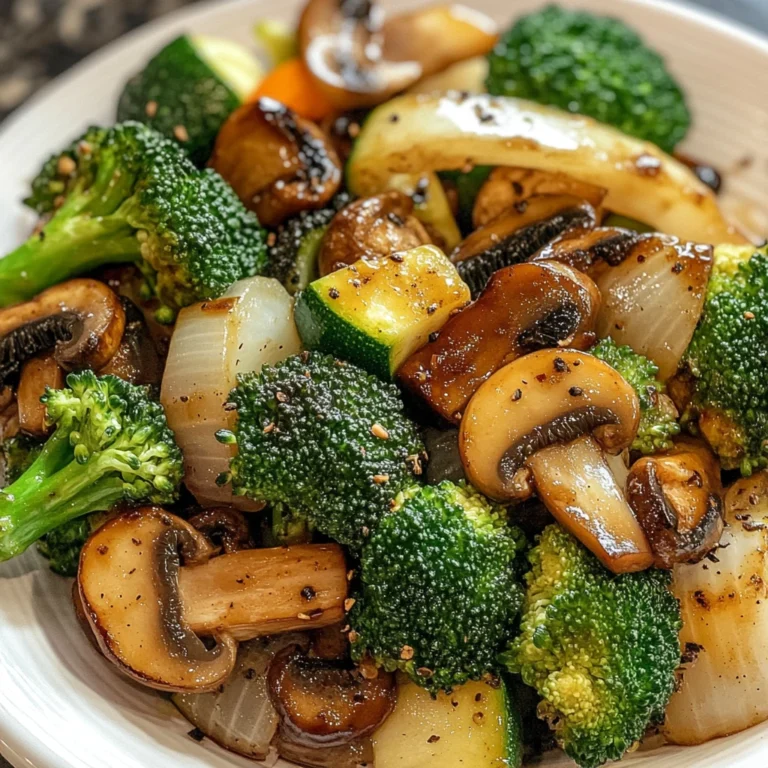
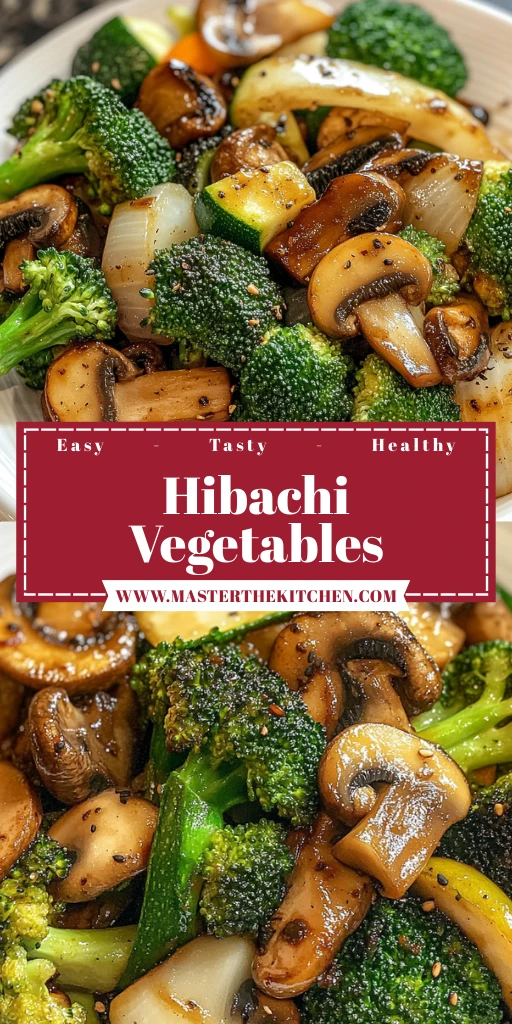
Hibachi cooking is a beloved Japanese culinary tradition that has captivated food enthusiasts worldwide. This style of high-heat, theatrical cooking on a flat-top grill creates a unique and flavorful dining experience. At the heart of the Hibachi experience are the delicious Hibachi Vegetables, a colorful and fresh medley that showcases the natural sweetness and crunch of seasonal produce.
Hibachi Vegetables are a staple in Japanese cuisine, often served alongside grilled meats or as a satisfying vegetarian main dish. The combination of crisp-tender vegetables, aromatic garlic and ginger, and a savory-sweet sauce creates a harmonious balance of flavors that is sure to delight your taste buds. Whether you’re looking to recreate the magic of a Hibachi restaurant at home or simply want to enjoy a healthy and delicious veggie-centric meal, this Hibachi Vegetables recipe is a must-try.
Table of Contents
Ingredients Breakdown
The key to making the perfect Hibachi Vegetables at home is to start with fresh, high-quality ingredients. Let’s take a closer look at the essential components that make this dish so irresistible:
- 2 tbsp vegetable oil – Helps to sear and caramelize the vegetables at high heat.
- 2 tbsp butter – Adds richness and a silky mouthfeel to the dish.
- 1 tsp minced garlic – Provides an aromatic foundation and enhances the savory flavor profile.
- 1 tsp minced ginger – Lends a subtle warmth and complexity to the vegetables.
- 1 large zucchini, cut into sticks – Contributes tender-crisp texture and mild flavor.
- 1 cup onion, sliced – Adds a sweet, caramelized element to the dish.
- 1 cup broccoli florets – Provides a pop of color and a crunchy contrast.
- 1 cup mushrooms, sliced – Imparts an earthy, umami-rich taste.
- 2 tsp soy sauce – Enhances the savory notes and adds a touch of saltiness.
- Salt and black pepper (to taste) – Balances the flavors and heightens the overall seasoning.
- Optional: Sesame seeds (for garnish) – Offer a delightful crunch and nutty aroma.
These fresh, vibrant ingredients come together to create a Hibachi Vegetables dish that is not only visually appealing but also bursting with flavor. The combination of textures and the harmonious blend of seasonings make this recipe a true crowd-pleaser.
Cooking Equipment and Techniques
To achieve that authentic Hibachi-style cooking at home, you’ll need a few essential pieces of equipment. First and foremost, a large, heavy-duty skillet or wok is crucial for the high-heat sautéing required. The skillet or wok should be large enough to accommodate all the vegetables without overcrowding, allowing for even cooking and caramelization.
In addition to the skillet, a sturdy pair of tongs and a spatula are must-have tools for this recipe. The tongs will help you toss and flip the vegetables effortlessly, while the spatula will allow you to scrape up any flavorful bits that may stick to the pan.
When it comes to the cooking techniques, Hibachi-style cooking relies on a high-heat approach. You’ll want to sauté the vegetables over medium-high to high heat, stirring and tossing frequently to ensure they cook evenly and develop a nice char. This quick, intense cooking method helps to preserve the vegetables’ crisp texture and vibrant colors, while also imparting a delicious smoky flavor.
Another key to perfecting your Hibachi Vegetables is to add the ingredients in stages based on their cooking times. Start with the firmer vegetables like carrots and onions, then add the more delicate items like zucchini and mushrooms later on. This will ensure everything cooks through without overcooking the softer veggies.
Step-by-Step Instructions
Now, let’s dive into the step-by-step process for making these delectable Hibachi Vegetables at home:
- Heat the Pan: Heat the vegetable oil and butter in a large skillet or wok over medium-high heat.
- Sauté Aromatics: Add the minced garlic and ginger to the hot pan and sauté for 30 seconds to 1 minute, until fragrant.
- Cook the Vegetables: Add the zucchini, onion, broccoli, and mushrooms to the pan. Cook for 6 to 10 minutes, stirring frequently, until the vegetables are crisp-tender and lightly browned.
- Season: Pour in the soy sauce and season with salt and black pepper to taste. Toss the vegetables to coat evenly and cook for an additional 1 minute.
- Serve: Transfer the Hibachi Vegetables to a serving plate and garnish with sesame seeds, if desired. Serve hot and enjoy!
By following these simple steps, you’ll be able to recreate the captivating flavors and textures of Hibachi Vegetables right in your own kitchen. The key is to work quickly and keep the vegetables moving to ensure they cook evenly and develop that signature Hibachi sear.
Variations and Customizations
The beauty of Hibachi Vegetables is that they lend themselves well to a variety of adaptations and customizations. If you’d like to add a protein component to the dish, consider sautéing tofu, chicken, or shrimp alongside the vegetables. You can also experiment with alternative vegetables, such as bell peppers, asparagus, or even Brussels sprouts, to suit your personal preferences.
For those looking to spice things up, a drizzle of chili sauce or a sprinkle of red pepper flakes can provide a delightful kick of heat. Alternatively, a touch of teriyaki sauce or sesame oil can lend a more savory-sweet flavor profile to the dish.
To make this recipe gluten-free, simply substitute the soy sauce with tamari or coconut aminos, both of which are excellent gluten-free alternatives that will maintain the umami-rich flavor you desire.
Serving and Pairing Suggestions
Hibachi Vegetables make for a wonderful side dish or a satisfying meatless main course. For a complete Hibachi-style meal, consider serving the vegetables alongside grilled or sautéed Hibachi Chicken or Hibachi Shrimp. The vibrant colors and textures of the Hibachi Vegetables will complement the protein components beautifully.
If you’re looking to create a well-rounded family dinner or a meal-prep-friendly dish, Hibachi Vegetables pair exceptionally well with steamed rice or cauliflower rice. The neutral base allows the flavors of the vegetables to shine, while also providing a filling and satisfying component to the meal.
To round out your Hibachi experience, consider offering refreshing beverages such as green tea, Japanese beer, or a light and crisp white wine. The clean, vibrant flavors of the Hibachi Vegetables will be nicely complemented by these complementary drink options.
Frequently Asked Questions
What equipment do I need to make Hibachi Vegetables at home?
To make Hibachi Vegetables at home, you will need a few essential pieces of equipment. A large skillet or wok is crucial for high-heat cooking, allowing for even sautéing of the vegetables. A spatula and tongs will help you toss and flip the vegetables easily to achieve that characteristic Hibachi style. If you have a Hibachi grill, that can also enhance the flavor with a smoky char. Additionally, a sharp knife and cutting board are necessary for preparing your vegetables, ensuring they are cut uniformly for even cooking.
How do I adjust the cooking time for different vegetables in Hibachi?
Cooking times can vary based on the type and size of the vegetables used in your Hibachi dish. For example, denser vegetables like carrots and bell peppers may require a longer cooking time, around 8-10 minutes, while softer vegetables like zucchini and mushrooms will cook more quickly, typically in 4-6 minutes. To achieve the best results, cut vegetables into uniform sizes and add them to the skillet based on their cooking times. Start with the denser vegetables and add softer ones later on, ensuring everything cooks through while maintaining a crisp texture.
Can I make Hibachi Vegetables without soy sauce or gluten-free?
Yes, you can definitely make Hibachi Vegetables without soy sauce to accommodate gluten-free diets or personal preferences. Instead, consider using tamari, which is a gluten-free soy sauce alternative, or coconut aminos, which offer a similar umami flavor. You can also enhance the dish with additional seasonings such as sesame oil, rice vinegar, or fresh herbs like cilantro and basil for an extra kick of flavor. Experimenting with different sauces will allow you to customize the dish to your taste while keeping it gluten-free.
What are some tips for adding more flavor to Hibachi Vegetables?
To enhance the flavor of your Hibachi Vegetables, consider incorporating a variety of techniques and ingredients. Start by sautéing minced garlic and ginger in the oil for an aromatic base. Adding a splash of rice vinegar or lime juice can brighten the dish, while a sprinkle of sesame seeds adds a nice crunch and nutty flavor. You can also experiment with different sauces, such as teriyaki or chili sauce, to give your vegetables a unique twist. Finally, finishing with fresh herbs like scallions or cilantro can provide a fresh burst of flavor just before serving.
More Related Recipes You Might Enjoy
Conclusion
Mastering the art of Hibachi Vegetables at home is a rewarding and delicious endeavor. By following the simple steps outlined in this recipe, you can recreate the vibrant flavors and textures of a Hibachi restaurant right in your own kitchen. Whether you’re serving these vegetables as a side dish or enjoying them as a meatless main, they are sure to impress your family and friends with their bold, satisfying flavors.
So, grab your skillet, fire up the heat, and get ready to embark on a flavorful Hibachi adventure. Indulge in the crisp-tender perfection of Hibachi Vegetables and experience the joy of creating a truly memorable homemade meal. Bon appétit!
Looking for more visual inspiration? Follow me on Pinterest, where I share new recipes, dinner tips, and behind-the-scenes kitchen moments every week. Buon appetito!
Print
Discover the Joy of Hibachi Vegetables: A Flavorful Recipe!
- Total Time: 20 minutes
- Yield: 4 servings 1x
- Diet: Vegetarian
Description
Delicious Hibachi Vegetables are a staple in Japanese cuisine, often served alongside grilled meats or as a satisfying vegetarian main dish. The combination of crisp-tender vegetables, aromatic garlic and ginger, and a savory-sweet sauce creates a harmonious balance of flavors.
Ingredients
- 2 tablespoon vegetable oil
- 2 tablespoon butter
- 1 teaspoon minced garlic
- 1 teaspoon minced ginger
- 1 large zucchini, cut into sticks
- 1 cup onion, sliced
- 1 cup broccoli florets
- 1 cup mushrooms, sliced
- 2 teaspoon soy sauce
- Salt and black pepper to taste
- Optional: Sesame seeds for garnish
Instructions
1. Heat the vegetable oil and butter in a large skillet or wok over medium-high heat.
2. Add the minced garlic and ginger to the hot pan and sauté for 30 seconds to 1 minute, until fragrant.
3. Add the zucchini, onion, broccoli, and mushrooms to the pan. Cook for 6 to 10 minutes, stirring frequently, until the vegetables are crisp-tender and lightly browned.
4. Pour in the soy sauce and season with salt and black pepper to taste. Toss the vegetables to coat evenly and cook for an additional 1 minute.
5. Transfer the Hibachi Vegetables to a serving plate and garnish with sesame seeds, if desired. Serve hot and enjoy!
Notes
These fresh, vibrant ingredients come together to create a Hibachi Vegetables dish that is not only visually appealing but also bursting with flavor.
- Prep Time: 10 minutes
- Cook Time: 10 minutes
- Category: Vegetarian
- Method: Stir-fry
- Cuisine: Japanese
Nutrition
- Serving Size: 1 cup
- Calories: 150
- Sugar: 3g
- Sodium: 400mg
- Fat: 9g
- Saturated Fat: 4g
- Unsaturated Fat: 5g
- Trans Fat: 0g
- Carbohydrates: 15g
- Fiber: 4g
- Protein: 3g
- Cholesterol: 15mg