

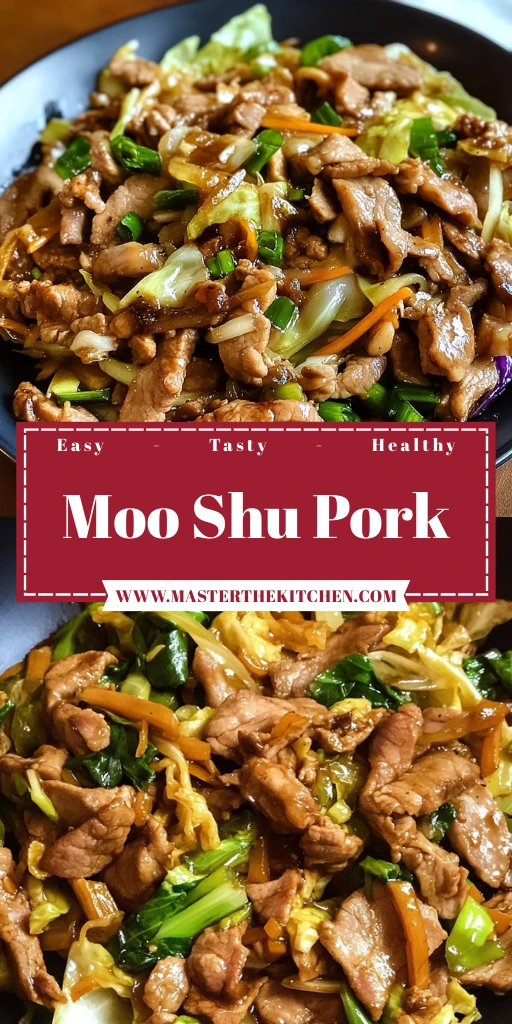
Moo Shu Pork, a beloved Chinese dish, is a symphony of flavors that captivates the senses. This stir-fried delicacy combines tender pork, crunchy vegetables, and a savory sauce, all wrapped in delicate pancakes or tortillas. Whether you’re a seasoned home cook or a culinary adventurer, mastering the art of Moo Shu Pork is a must-try experience.
Table of Contents
Dive into the Key Ingredients for Mouthwatering Moo Shu Pork
The secret to an authentic and flavorful Moo Shu Pork lies in the carefully selected ingredients. Let’s explore the essential components that come together to create this Chinese masterpiece.
The Protein: Pork Tenderloin
Pork tenderloin is the star of the show in Moo Shu Pork. This lean and tender cut of meat is the perfect choice, as it cooks quickly and absorbs the marinade’s flavors beautifully. The pork is first sliced into thin strips, then marinated in a blend of soy sauce, Shaoxing wine, sesame oil, and cornstarch, which tenderizes the meat and enhances its savory profile.
The Sauces: Soy Sauce and Shaoxing Wine
Soy sauce and Shaoxing wine are essential components that lend depth and complexity to Moo Shu Pork. Soy sauce, with its umami-rich flavor, helps to season the dish, while Shaoxing wine, a staple in Chinese cuisine, adds a subtle sweetness and aroma that rounds out the flavors.
The Aromatics: Garlic and Green Onions
No Chinese stir-fry would be complete without the fragrant duo of garlic and green onions. These aromatic ingredients provide a flavorful base, infusing the dish with their distinctive aromas and adding a touch of freshness.
The Crunchy Vegetables: Cabbage, Bean Sprouts, and Bamboo Shoots
The heart of Moo Shu Pork lies in its array of crunchy vegetables. Shredded cabbage, juicy bean sprouts, and julienned bamboo shoots add texture and a medley of flavors to the dish, creating a harmonious balance with the tender pork.
The Unexpected Ingredient: Dried Wood Ear Mushrooms
Dried wood ear mushrooms are a unique addition to Moo Shu Pork. These delicate, earthy mushrooms lend a subtle crunch and nutty flavor that complements the other ingredients perfectly.
The Finishing Touches: Eggs and Hoisin Sauce
Scrambled eggs add a creamy richness to Moo Shu Pork, while the sweet and savory hoisin sauce serves as the perfect dipping sauce, tying all the flavors together in each delectable bite.
Mastering the Art of Moo Shu Pork: Step-by-Step Instructions
Marinate the Pork
Begin by combining the pork strips with the soy sauce, Shaoxing wine, sesame oil, and cornstarch in a bowl. Mix well and let the pork marinate for 10-15 minutes, allowing the flavors to infuse the meat.
Cook the Eggs
In a hot wok or large skillet, add a tablespoon of vegetable oil and pour in the beaten eggs. Scramble the eggs until they’re just set, then remove them from the pan and set them aside.
Stir-Fry the Pork
Add another tablespoon of oil to the wok and stir-fry the marinated pork for 2-3 minutes until it’s just cooked through. Remove the pork from the pan and set it aside.
Sauté the Vegetables
Heat the remaining oil in the wok and sauté the garlic and green onions until fragrant. Then, add the rehydrated wood ear mushrooms, bamboo shoots, cabbage, and bean sprouts. Stir-fry the vegetables for 3-4 minutes, ensuring they retain their crunchy texture.
Combine the Ingredients
Return the cooked pork and scrambled eggs to the wok with the sautéed vegetables. Toss everything together for 1-2 minutes, allowing the flavors to meld.
Serving Suggestions and Variations
To serve Moo Shu Pork, warm up the flour tortillas or moo shu pancakes. Spread a generous amount of hoisin sauce on each one, then add the stir-fried pork and vegetable mixture. Fold the sides in and roll the tortilla or pancake to enjoy this flavorful dish.
For a vegetarian twist, you can substitute the pork with tofu or try using mushrooms as the primary protein. Other variations may include adding thin slices of carrot or bell pepper for extra color and crunch.
Nutritional Information and Health Benefits
A serving of Moo Shu Pork contains approximately 350 calories, with a balanced macronutrient profile of protein, carbohydrates, and healthy fats. The dish is rich in vitamins and minerals, thanks to the inclusion of vegetables like cabbage, bean sprouts, and mushrooms. To make it even healthier, you can opt for low-sodium soy sauce and use less oil in the stir-frying process.
Frequently Asked Questions about Moo Shu Pork
How can I store leftover Moo Shu Pork, and how long will it last?
Leftover Moo Shu Pork can be stored in an airtight container in the refrigerator for up to 3-4 days. To maximize freshness, allow it to cool to room temperature before sealing it in the container. If you’d like to keep it for a longer period, you can freeze Moo Shu Pork for up to 2-3 months. When reheating, ensure it’s heated thoroughly to an internal temperature of 165°F (74°C). You can reheat it in a microwave, stovetop, or oven, but be careful not to overcook the pork to maintain its tenderness.
Can I make Moo Shu Pork without a wok?
Yes, you can make Moo Shu Pork without a wok! While a wok is ideal for stir-frying due to its shape and heat distribution, you can use a large skillet or sauté pan as a substitute. Ensure the pan is hot enough before adding the oil and ingredients, and cook in smaller batches if necessary to prevent overcrowding, which can lead to steaming rather than stir-frying. This way, you’ll still achieve a deliciously cooked Moo Shu Pork.
What are some common mistakes to avoid when making Moo Shu Pork?
Some common mistakes to avoid include: not marinating the pork long enough, which can result in less flavorful meat; overcrowding the pan, which can cause the ingredients to steam instead of stir-fry; and not using high enough heat, which is essential for achieving that characteristic “wok hei” (the breath of the wok) flavor. Additionally, be cautious with the cooking time for vegetables; overcooking can lead to a loss of texture and nutrients. Lastly, don’t skip the eggs, as they add richness and a nice texture to the dish.
What can I serve with Moo Shu Pork for a complete meal?
To create a complete meal with Moo Shu Pork, consider serving it with steamed jasmine rice or fried rice for a classic pairing. You can also add a side of stir-fried vegetables, such as bok choy or green beans, for extra nutrition and color. A light cucumber salad or a hot and sour soup can complement the flavors nicely. If you enjoy more crunch, serve with crispy spring rolls or egg rolls as an appetizer. These sides not only enhance the meal but also provide a well-rounded dining experience.
More Related Recipes You Might Enjoy
- Chicken and Broccoli Stir-Fry
- Potsticker Stir-Fry
- Mongolian Beef Stir-Fry with Ramen
- Chicken and Mushroom Stir-Fry
Unlock the Flavors of Moo Shu Pork at Home
With its mouthwatering combination of tender pork, crunchy vegetables, and aromatic sauces, Moo Shu Pork is a true gem of Chinese cuisine. By mastering this dish, you’ll not only impress your family and friends but also embark on a flavorful journey that celebrates the rich culinary traditions of China. So, don’t hesitate to give this recipe a try and let the aromas of Moo Shu Pork transform your kitchen into a slice of Chinese deliciousness.
Looking for more visual inspiration? Follow me on Pinterest, where I share new recipes, dinner tips, and behind-the-scenes kitchen moments every week. Buon appetito!
Print
Savor the Flavor of Moo Shu Pork: A Quick and Easy Recipe
- Total Time: 25 minutes
- Yield: 4 servings 1x
Description
Moo Shu Pork is a beloved Chinese dish, a symphony of flavors that combines tender pork, crunchy vegetables, and a savory sauce, all wrapped in delicate pancakes or tortillas.
Ingredients
- 1 pound pork tenderloin
- 2 tablespoon soy sauce
- 2 tablespoon Shaoxing wine
- 1 tablespoon sesame oil
- 1 tablespoon cornstarch
- 2 tablespoon vegetable oil
- 3 large eggs, beaten
- 2 cloves garlic, minced
- 4 green onions, chopped
- 1 cup shredded cabbage
- 1 cup bean sprouts
- 1 cup bamboo shoots, julienned
- 1/2 cup dried wood ear mushrooms, rehydrated
- 1/4 cup hoisin sauce
Instructions
1. Begin by combining the pork strips with the soy sauce, Shaoxing wine, sesame oil, and cornstarch in a bowl. Mix well and let the pork marinate for 10-15 minutes.
2. In a hot wok or large skillet, add a tablespoon of vegetable oil and pour in the beaten eggs. Scramble the eggs until they’re just set, then remove them from the pan and set them aside.
3. Add another tablespoon of oil to the wok and stir-fry the marinated pork for 2-3 minutes until it’s just cooked through. Remove the pork from the pan and set it aside.
4. Heat the remaining oil in the wok and sauté the garlic and green onions until fragrant. Then, add the rehydrated wood ear mushrooms, bamboo shoots, cabbage, and bean sprouts. Stir-fry the vegetables for 3-4 minutes, ensuring they retain their crunchy texture.
5. Return the cooked pork and scrambled eggs to the wok with the sautéed vegetables. Toss everything together for 1-2 minutes, allowing the flavors to meld.
Notes
Leftover Moo Shu Pork can be stored in an airtight container in the refrigerator for up to 3-4 days. To maximize freshness, allow it to cool to room temperature before sealing it in the container. If you’d like to keep it for a longer period, you can freeze Moo Shu Pork for up to 2-3 months.
- Prep Time: 15 minutes
- Cook Time: 10 minutes
- Category: Main Course
- Method: Stir-Fry
- Cuisine: Chinese
Nutrition
- Serving Size: 1 serving
- Calories: 350
- Sugar: 3g
- Sodium: 800mg
- Fat: 20g
- Saturated Fat: 5g
- Unsaturated Fat: 10g
- Trans Fat: 0g
- Carbohydrates: 20g
- Fiber: 3g
- Protein: 25g
- Cholesterol: 150mg